
Let’s face it, nobody wants yellow teeth. A bright, white smile is often associated with health and confidence. But what causes teeth to lose their luster and turn yellow? More importantly, what can you do to keep your pearly whites look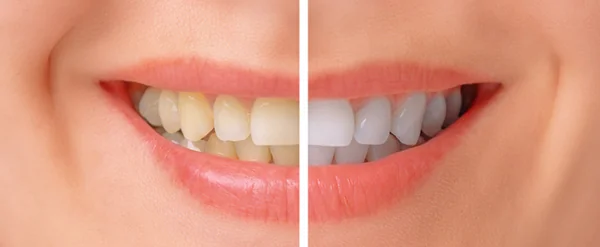 ing their best?
Understanding Tooth Discoloration
The reality is that teeth aren’t naturally pure white. The outer layer of your tooth, called enamel, is actually translucent. The color you see comes from the layer beneath, called dentin, which is naturally yellowish. Enamel thickness varies from person to person; those with thinner enamel may naturally have teeth that appear more yellow.
Over time, various factors can stain or damage the enamel, making the yellow dentin more visible. These factors can be broken down into two main categories: extrinsic and intrinsic stains.
Extrinsic Stains: Surface Level Issues
Extrinsic stains are those that affect the surface of your enamel. They are often caused by what you eat and drink. Common culprits include:
- Coffee and Tea: These beverages contain tannins, which are compounds that can easily stain teeth.
- Red Wine: Similar to coffee and tea, red wine is rich in tannins and also has a high acidity that can erode enamel.
- Dark-Colored Sodas and Juices: The acidity and dark pigments in these drinks can contribute to staining.
- Tobacco Use: Smoking or chewing tobacco is a major cause of yellow teeth and other oral health problems.
- Poor Oral Care: Inadequate brushing and flossing allows plaque and tartar to build up, leading to discoloration.
Intrinsic Stains: Deeper Problems
Intrinsic stains occur within the tooth structure itself. These stains are more difficult to remove and often require professional treatment. Common causes of intrinsic stains include:
- Aging: As we age, the enamel naturally thins, revealing more of the underlying dentin.
- Certain Medications: Some medications, such as tetracycline antibiotics taken during tooth development, can cause permanent staining.
- Dental Trauma: Injuries to the teeth can damage the enamel and dentin, leading to discoloration.
- Excessive Fluoride Exposure: While fluoride is beneficial for preventing cavities, too much fluoride during tooth development can cause fluorosis, which can appear as white or brown spots on the teeth.
Prevention is Key: Keeping Your Smile Bright
The good news is that many causes of yellow teeth are preventable. Here are some tips for maintaining a brighter smile:
- Practice Good Oral Care: Brush your teeth at least twice a day with fluoride toothpaste and floss daily.
- Limit Stain-Causing Foods and Drinks: Reduce your consumption of coffee, tea, red wine, and dark-colored sodas. If you do indulge, rinse your mouth with water afterward.
- Quit Tobacco Use: This is crucial for both your oral and overall health.
- Regular Dental Checkups: Visit your dentist regularly for professional cleanings and checkups. Your dental professional can remove plaque and tartar buildup and identify any potential problems early on.
When Prevention Isn’t Enough: Exploring Options
If you already have yellow teeth, don’t despair! There are various options available to help improve the appearance of your smile. Your dentist can discuss these options with you and recommend the best course of action based on your individual needs and the cause of the discoloration. These options may include professional teeth whitening or even restoration dentistry. Remember, maintaining good oral care habits is essential for keeping your smile bright and healthy for years to come.


